Signs Your Suspension Needs Repair: Bouncing, Pulling & Knocking
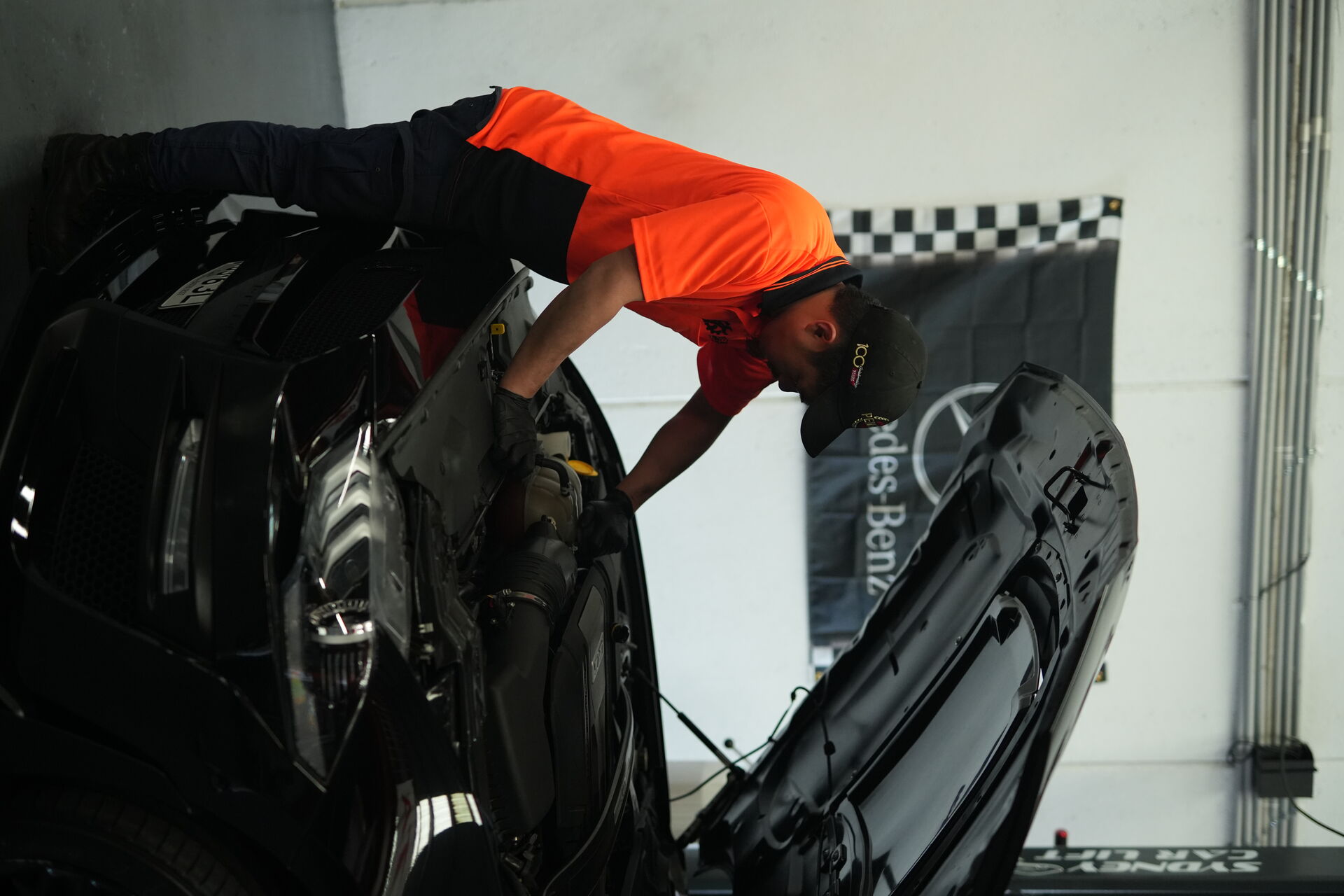
A worn suspension system does not just make your daily commute uncomfortable—it increases emergency stopping distances and compromises cornering stability. Learn the warning signs.
1. Car Bouncing Excessively Over Bumps
The springs in your suspension support the vehicle weight, while the shock absorbers (struts) dampen and stop the bouncing motion. When shock absorber hydraulic oil seals fail, the car continues to bounce multiple times after hitting a speed hump or road dip.
Try the bounce test: Firmly push down on the front or rear corner of the parked vehicle and release. If it bounces more than once or twice before settling, your shocks are worn and require replacement.
2. Nose-Diving Under Braking or Squatting on Acceleration
When you apply the brakes firmly, does the front of your car lurch downwards ("nose dive")? When you accelerate, does the rear squat heavily?
Worn front shocks fail to control forward inertia under braking, which can lengthen your emergency stopping distance by several metres. It also unweights the rear tyres, increasing the risk of oversteer or skidding in wet conditions.
3. Clunking, Knocking or Rattle Over Rough Roads
Metallic knocking or rattling sounds when driving over rough road surfaces or turning into driveways usually point to worn sway bar links (stabiliser links) or degraded lower control arm rubber bushes.
Rubber bushes act as shock absorbers between metal suspension arms and the vehicle chassis. Over 80,000 to 120,000 kilometres of driving, road grit and heat dry out the rubber, causing it to crack, split, and allow metal-on-metal contact.
Safety Check: Loose sway bar links or worn ball joints can cause unexpected wheel alignment shifts and sudden loss of steering precision. Have noises inspected early.
4. Oil Leaking from Shock Absorbers
Inspect your shock absorbers or struts behind the road wheels. If the outer shock body appears wet, oily, or coated with a thick layer of grime sticking to hydraulic oil, the internal piston shaft seal has blown.
Once the hydraulic damping fluid leaks out, the shock absorber has lost its ability to dampen spring oscillations and must be replaced in axle pairs.
Need Suspension Inspections & Strut Replacement?
We carry out professional inspections, diagnostics, and mechanical repairs at 16 Ilma St, Condell Park with upfront transparent pricing.
Frequently Asked Questions
How long do shock absorbers and struts typically last?
Most shock absorbers and struts last between 80,000 and 120,000 kilometres depending on road surface quality, speed humps, and carrying loads.
Do I need a wheel alignment after replacing suspension parts?
Yes, always. Any replacement of struts, control arms, ball joints, or tie rod ends alters your wheel camber, caster, and toe settings. A precision 4-wheel alignment is essential after suspension work.
ServiceLane Auto Technical Team
Licensed NSW Motor Vehicle Mechanics (MVRL 59842)
Based at 16 Ilma St, Condell Park NSW 2200 (Licence MVRL 59842). Serving Condell Park, Bankstown, Yagoona, Revesby, Padstow, Panania, and Milperra with professional mechanical repairs and manufacturer-standard logbook servicing.
Related Car Care Articles
How Often Should You Service Your Car? (Australian Driving Guide)
Regular vehicle servicing is the single most cost-effective measure you can take to prevent catastrophic engine failure and maintain your car resale value in Australian operating conditions.
7 Warning Signs Your Brakes Need Replacing
Your braking system is the single most critical safety component on your vehicle. Discover the seven clear warning signs that tell you it is time for a brake inspection or pad replacement.
Why Is My Check Engine Light On? Common Causes & What to Do
An illuminated check engine light can signify anything from a loose petrol cap to a serious ignition misfire. Learn what the warning light means, whether it is safe to drive, and how computer diagnostics pinpoint the issue.