Why Is My Check Engine Light On? Common Causes & What to Do
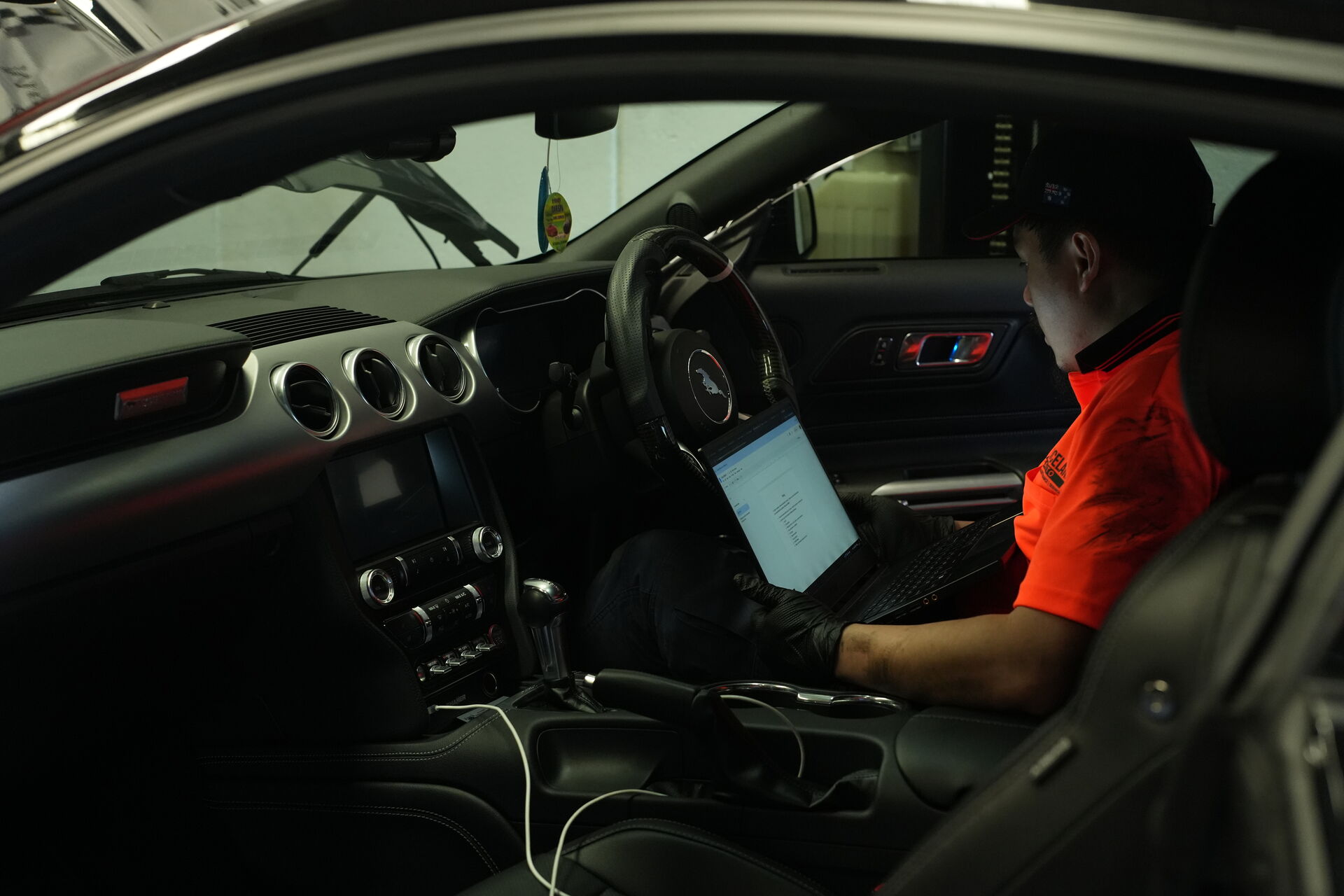
An illuminated check engine light can signify anything from a loose petrol cap to a serious ignition misfire. Learn what the warning light means, whether it is safe to drive, and how computer diagnostics pinpoint the issue.
Solid vs. Flashing Check Engine Light
The first thing to observe is whether the amber engine symbol is steady (solid) or flashing.
A steady light indicates an emissions or sensor fault detected by the engine control module (ECM). While you should have the car checked promptly, it is generally safe to complete your immediate trip at moderate speeds.
A flashing light indicates an active engine misfire that allows unburnt fuel into the exhaust system. This can overheat and permanently destroy the catalytic converter within minutes. If the light is flashing, pull over safely and turn off the engine.
Urgent Action: Never drive long distances with a flashing check engine light. Contact a professional workshop immediately to prevent thousands of dollars in catalytic converter damage.
Most Common Triggers for the Check Engine Light
Modern vehicles utilise dozens of digital sensors monitoring air intake, fuel trim, exhaust gases, and ignition timing. The most frequent triggers include:
- Faulty Oxygen (O2) Sensor: Inaccurate exhaust oxygen data causes the engine to burn excessive fuel, reducing efficiency by up to 25%.
- Loose or Faulty Fuel Cap: A failed seal in the evaporative emission control system (EVAP) causes fuel vapours to leak, triggering a warning.
- Mass Airflow (MAF) Sensor: Measures the volume of air entering the engine. Dust or oil build-up causes hesitation and rough idling.
- Failing Ignition Coils or Spark Plugs: Causes engine misfires, poor acceleration, and jerking under load.
- Exhaust Gas Recirculation (EGR) or DPF Issues in Diesels: Soot build-up in diesel particulate filters requires diagnostic forced regeneration or mechanical cleaning.
How Professional Computer Diagnostics Works
At ServiceLane Auto, we connect high-level OBD-II scan tools to interrogate your vehicle control units. The scanner extracts Diagnostic Trouble Codes (DTCs), such as P0300 (random misfire) or P0420 (catalyst efficiency).
However, a code only points to the subsystem experiencing a fault—it does not replace mechanic expertise. We inspect live sensor stream data, test electrical wiring with multimeters, and physically verify component health before replacing any parts.
Need Computer Diagnostics & Scan Tool Analysis?
We carry out professional inspections, diagnostics, and mechanical repairs at 16 Ilma St, Condell Park with upfront transparent pricing.
Frequently Asked Questions
Can I just disconnect the battery to clear the check engine light?
Disconnecting the battery may temporarily turn off the light, but the vehicle computer will re-detect the underlying fault code within a short drive cycle. It also erases vital freeze-frame diagnostic data needed by your mechanic.
Will my car pass an eSafety Pink Slip with a check engine light on?
If the check engine light remains illuminated during the inspection, it will fail the NSW eSafety pink slip check until the underlying fault is diagnosed and rectified.
ServiceLane Auto Technical Team
Licensed NSW Motor Vehicle Mechanics (MVRL 59842)
Based at 16 Ilma St, Condell Park NSW 2200 (Licence MVRL 59842). Serving Condell Park, Bankstown, Yagoona, Revesby, Padstow, Panania, and Milperra with professional mechanical repairs and manufacturer-standard logbook servicing.
Related Car Care Articles
How Often Should You Service Your Car? (Australian Driving Guide)
Regular vehicle servicing is the single most cost-effective measure you can take to prevent catastrophic engine failure and maintain your car resale value in Australian operating conditions.
7 Warning Signs Your Brakes Need Replacing
Your braking system is the single most critical safety component on your vehicle. Discover the seven clear warning signs that tell you it is time for a brake inspection or pad replacement.
How Long Do Car Batteries Last in Sydney? Care & Replacement Guide
A dead battery is the leading cause of roadside assistance callouts in NSW. Learn how long a quality battery lasts in Australian conditions and how to spot failure before you get stranded.